
Writing progress
It's been a while

It’s been a year since I wrote anything on Substack, but I’ve been inching forward with my book. With the help of Yves Rees, who mentored me via the Kill Your Darlings programme in 2025, I completed a solid draft of Part I of my book and an agent pitch document. The two agents I’ve sent the pitch to so far have both rejected it, with some kind words. I figure I need some rejections before I get an acceptance, so I’m on my way.
Part I centres Margaret Black (nee Gordon). I hope I’ve brought her to life from the limited sources at my disposal. My writing groups’ feedback has been positive. Margaret was born into a Protestant Jacobite mercantile family in Aberdeen (Scotland) and moved to Bordeaux as a child. She married Irishman John Black in 1716. His family were anti-Jacobites but that didn’t get in the way of the marriage. The Blacks were part of the vibrant Irish/Scottish mercantile community in the Chartrons, just outside the walls of Bordeaux. Today the Chartrons is a chic district of boutiques, cafes and expensive homes. The mixed-use buildings Margaret and her family lived in are now highly sought-after.
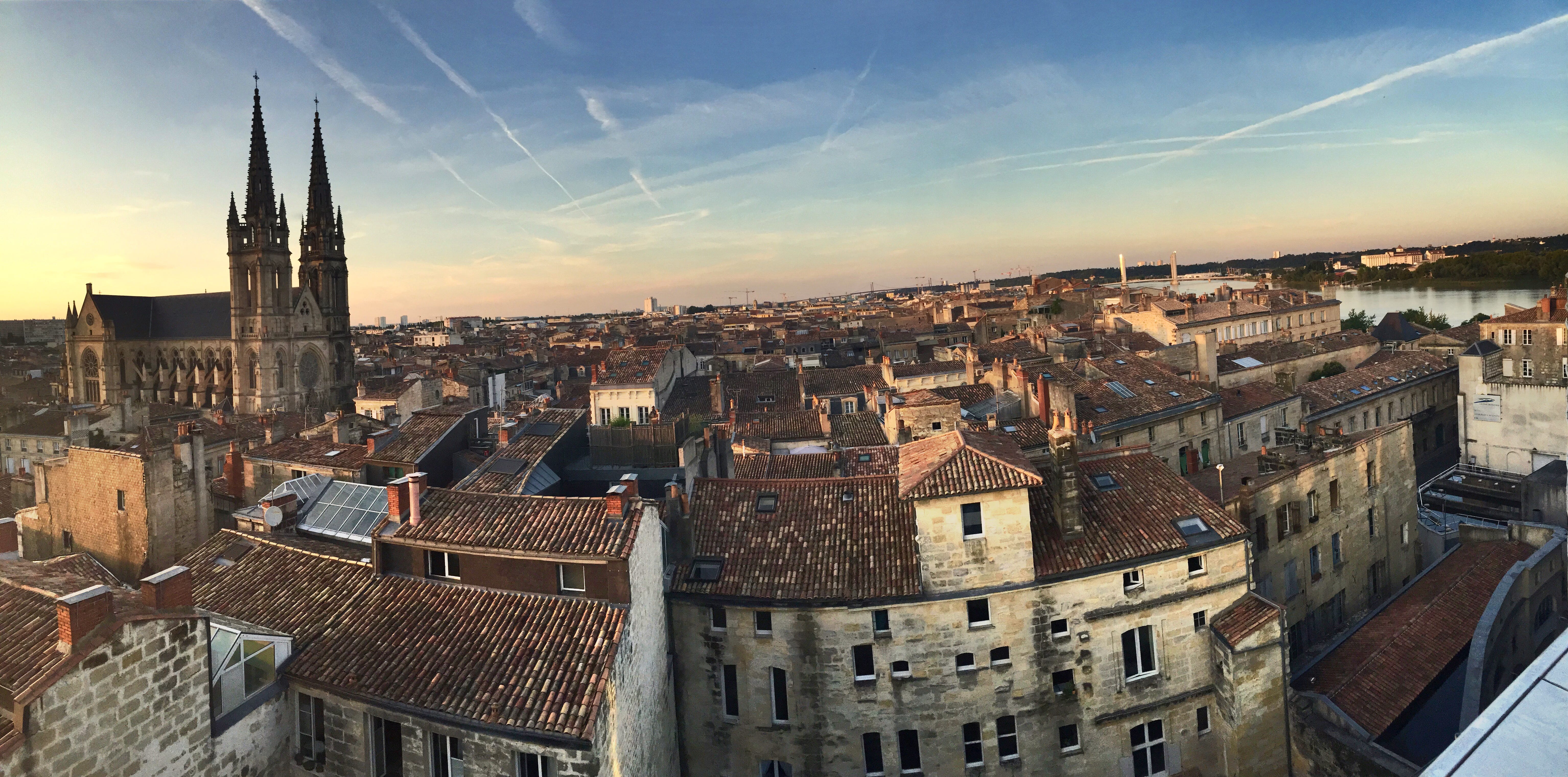
Margaret was an accomplished businesswoman and a stoic mother to 13 children. The few surviving letters she and her female relatives wrote depict her as loving but no-nonsense and deeply valued by her family. She was also a linchpin in the family’s commercial networks. Of course, the point of writing about Margaret and her world is to reveal how merchants around the Atlantic world benefited from the slave-derived wealth that poured from the Caribbean sugar islands. Bordeaux was a port négrier, a slave-trading port. Margaret and her family traded with the French islands, including Saint Domingue - modern-day Haiti, and they sold luxury goods to wealthy English, Scottish and Irish consumers who also made their fortunes via the Caribbean.
A highpoint of my research for Part I was discovering an article by British historians Sophie Jones and Siobhan Talbott about Margaret and two similar women in eighteenth century business.* I was delighted that Jones and Talbott’s sources included letters from the Black Family Collection that were digitised by the Huntington Library. The letters were digitised and made available online using funds I was awarded by the Mellon Foundation in 2020. Sadly for me the pandemic prevented my visit to the Huntington, but it’s great to see the letters being utilised by historians besides me. I’ll write about funding for my research in a future newsletter.
*Sophie H. Jones & Sioban Talbott, ‘Sole Traders? The Role of the Extended Family in Eighteenth-Century Atlantic Business Networks’, Enterprise & Society (2022) 23:4, 1092-1121.